Truchet Drift
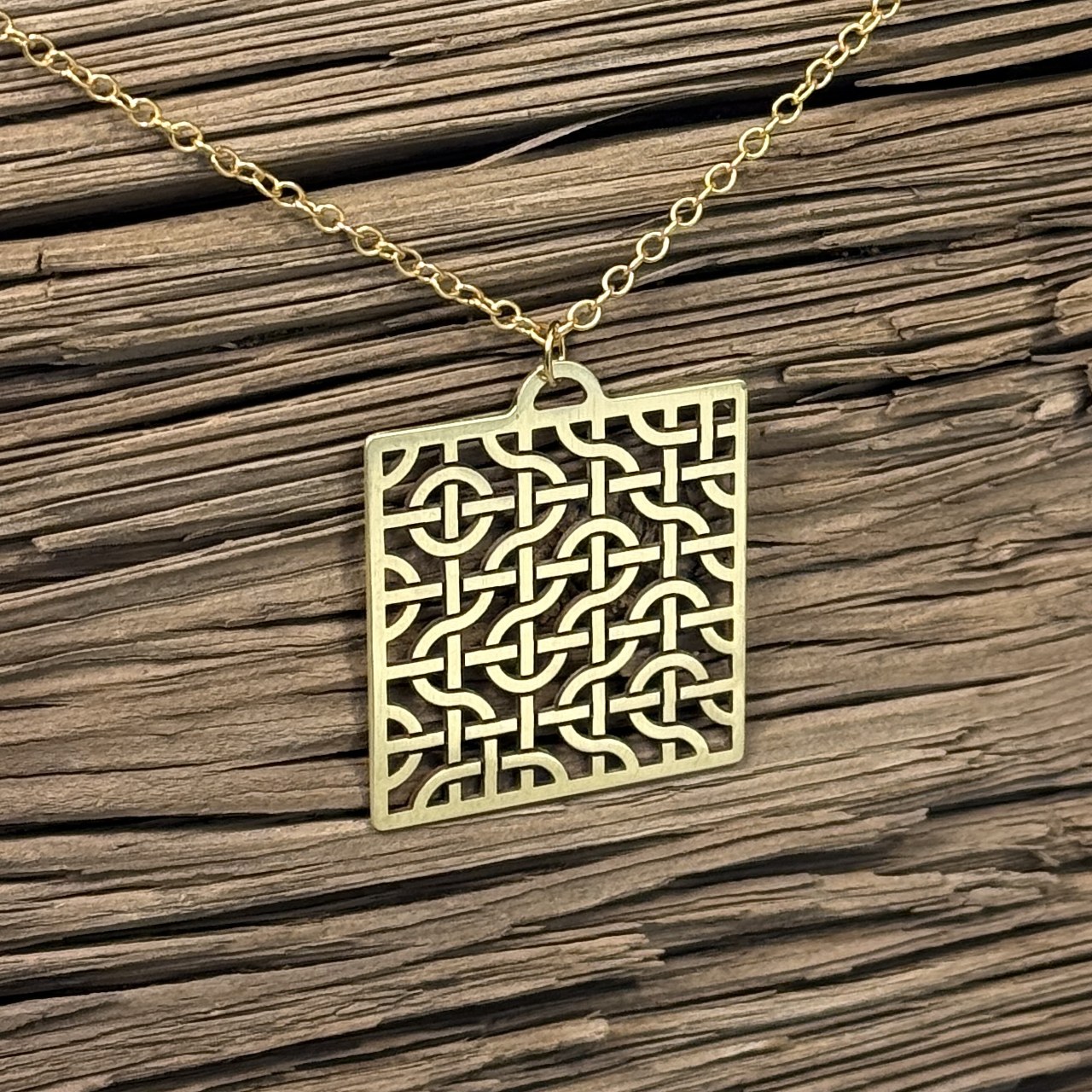
Square tiles each carrying the same quarter-circle motif, each rotated to a different orientation. The curves connect across boundaries into long arcs, closed loops, and wandering paths.
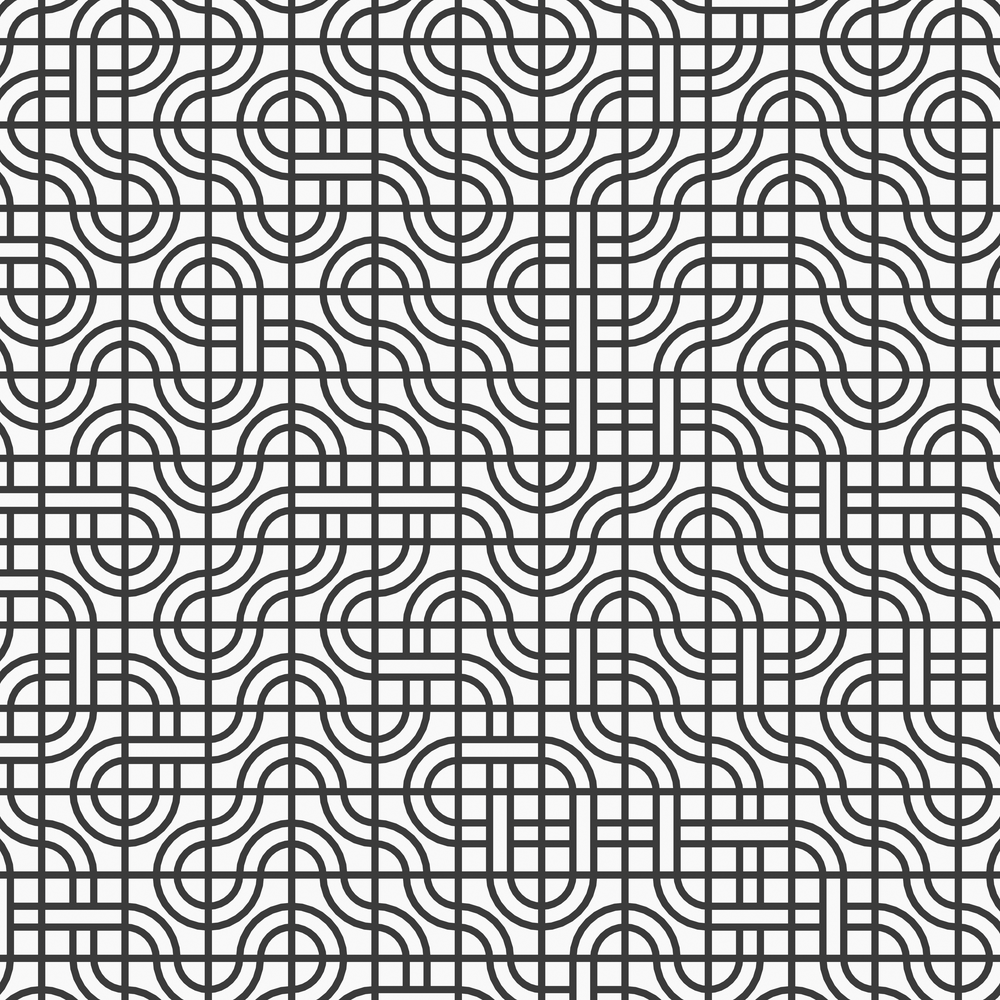
A field of square tiles, each one carrying the same quarter-circle motif, each one rotated to a different orientation. Place enough of them next to each other and the curves start to connect across tile boundaries - long arcs, closed loops, paths that wander across the field without any one tile knowing about its neighbors.
The form is named after Sébastien Truchet, the 18th-century French priest and mathematician who first laid out the system, but the idea is older than that - it shows up in patchwork, mosaic, and decorative paving wherever a single tile is repeated under rotation.
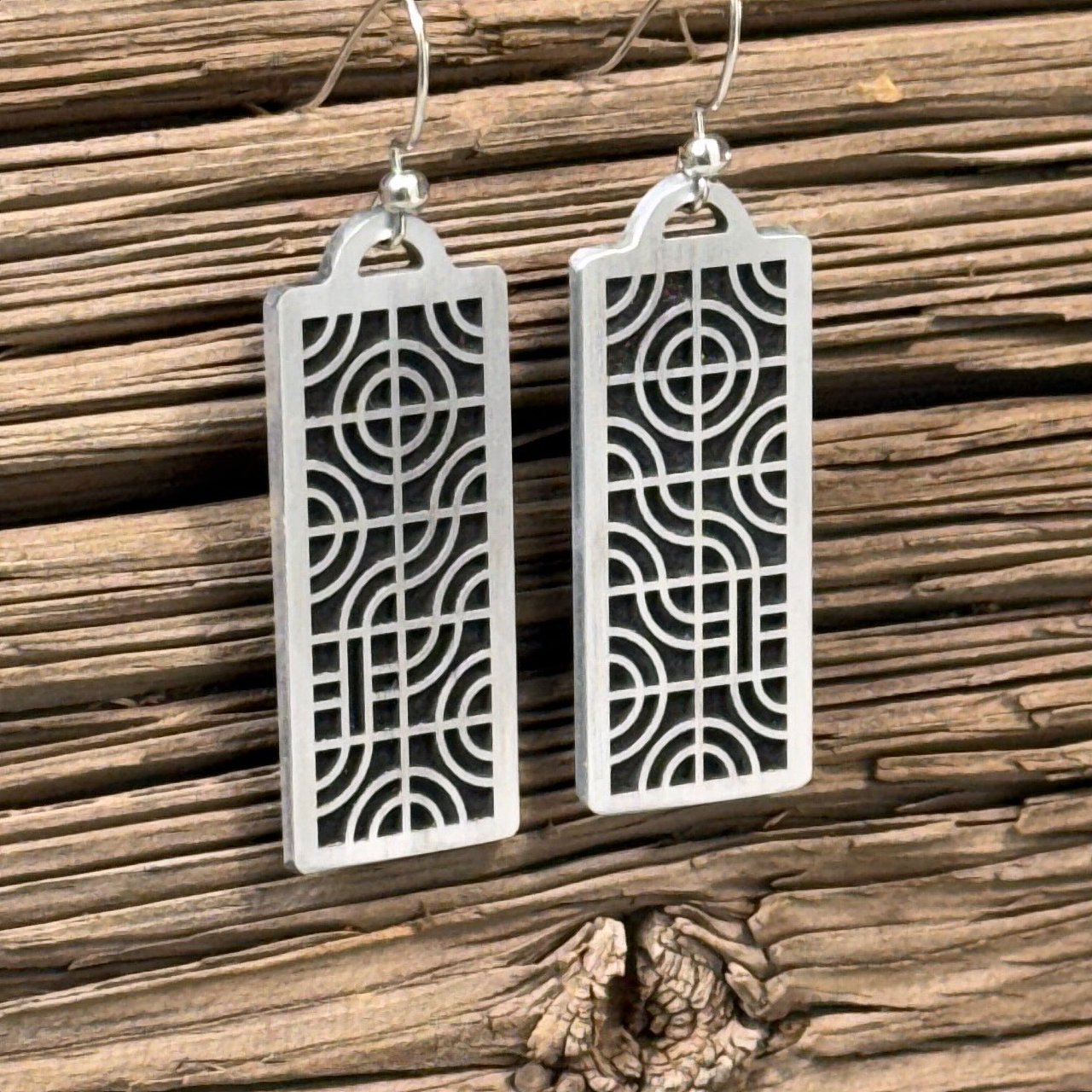
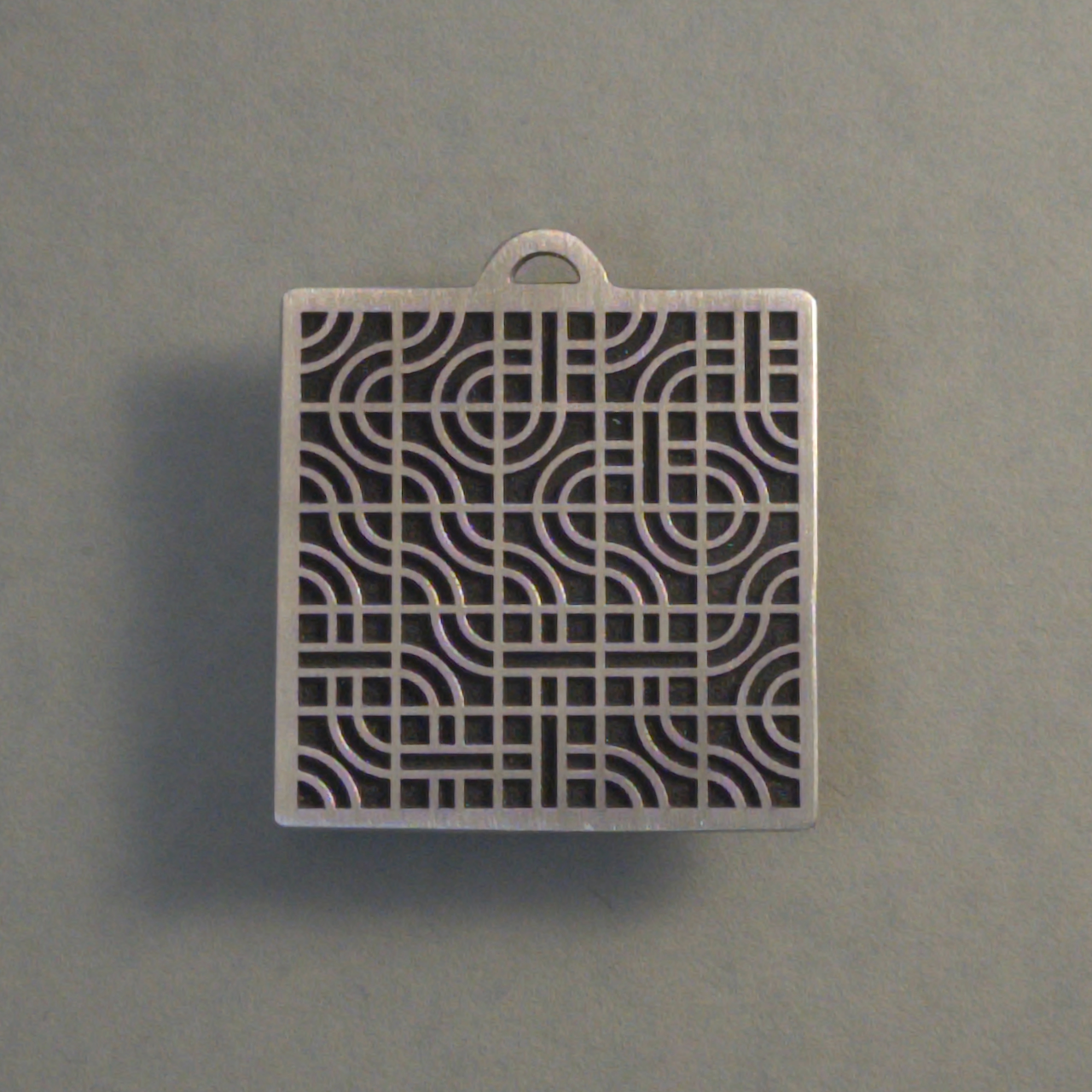
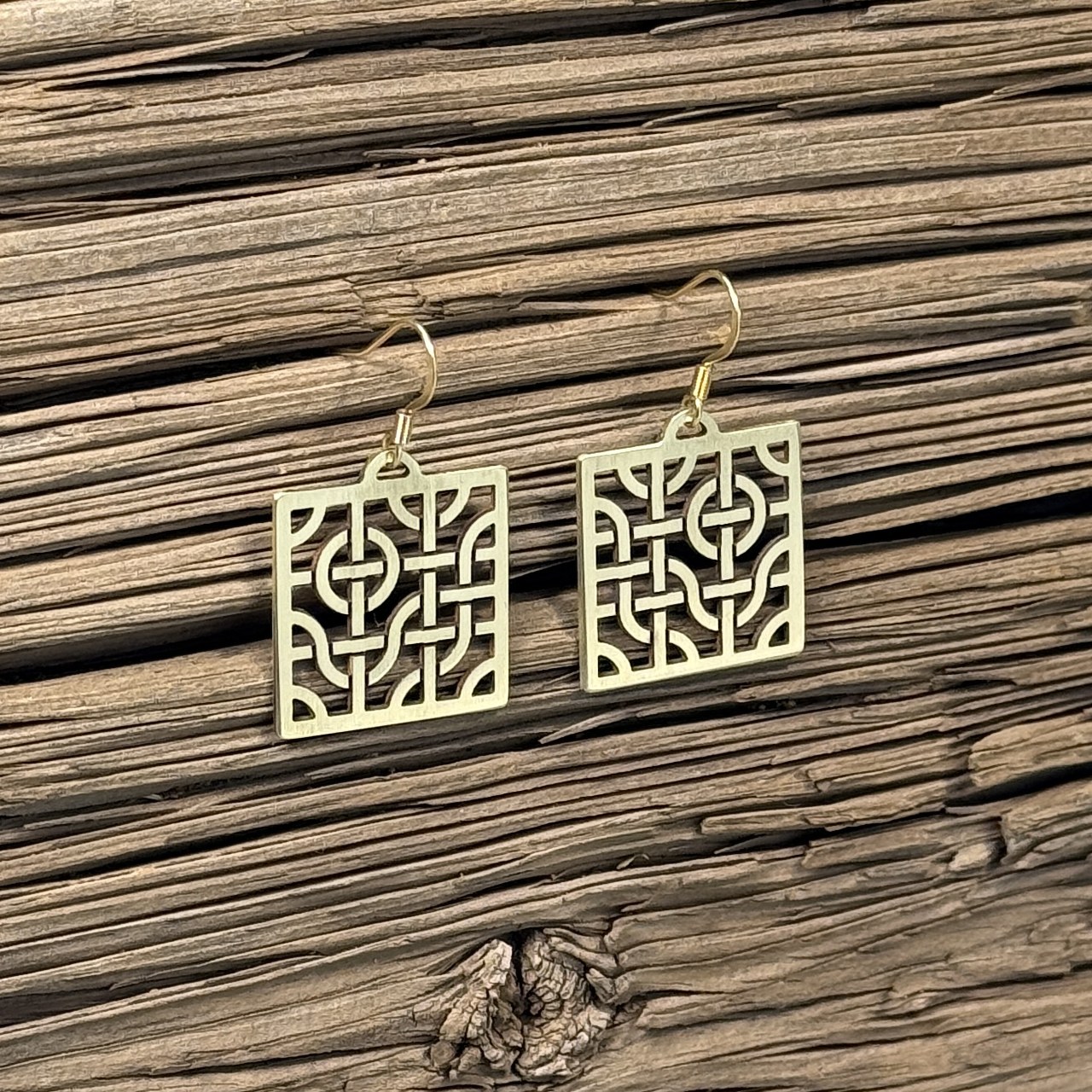
At architectural scale a Truchet field works as paving, screen, or wall. At jewelry scale a small group of tiles becomes a pendant - the curves of three or four pieces meeting at their edges, frozen into a single cut shape.
The same patience that fills a pendant fills a panel.